Designing a Space That Works Better Every Day
A bathroom may be one of the smallest rooms in the home, but it plays a major role in daily comfort and convenience. Whether you are getting ready in the morning, helping children during busy routines, or winding down at the end of the day, the layout of the bathroom affects how smoothly those tasks happen. A poorly planned space can feel cramped, cluttered, and frustrating, even when the room itself is relatively large.
An efficient bathroom layout is about more than appearance. It should support easy movement, practical storage, reliable lighting, and long-term functionality. Every inch matters, especially in smaller bathrooms where limited space can quickly become overwhelming. Careful planning can improve accessibility, increase storage capacity, reduce maintenance issues, and make the room feel more open and comfortable.
The best layouts balance style with practicality. Instead of focusing only on trendy finishes or decorative features, homeowners should think about how the space will actually be used every day. A thoughtful design can make routines easier, improve organization, and add long-term value to the home.
Start With Accurate Measurements and Clear Priorities
Before selecting fixtures or materials, it is important to understand the exact dimensions and limitations of the room. Even small measurement mistakes can create major installation problems later. Begin by measuring the full length and width of the room, along with ceiling height, door swings, window placement, and the location of existing plumbing and electrical lines.
During bathroom remodeling projects, homeowners often focus on appearance first, but functionality should guide the design process. Think carefully about how many people use the space, how much storage is needed, and which daily frustrations need improvement. For example, a growing family may need more counter space and better organization, while an older homeowner may prioritize accessibility and easier movement.
It also helps to identify features that cannot easily be moved. Structural walls, plumbing stacks, ventilation systems, and electrical panels may affect what changes are realistic within the budget. Understanding these limitations early prevents expensive redesigns later in the process.
Many bathroom renovations become stressful because homeowners rush into selecting finishes before fully planning the layout. A better approach is to focus on traffic flow and functionality first. Once the layout works efficiently, it becomes much easier to choose finishes and decorative details that complement the overall design.
Future planning matters as well. Consider whether the layout will still work years from now. Wider walkways, accessible storage, and flexible lighting can make the room more practical long-term without sacrificing style.
Arrange Fixtures to Improve Movement and Comfort
The placement of fixtures plays one of the biggest roles in how efficient a bathroom feels. Even a beautiful room can become frustrating if people constantly bump into doors, squeeze around corners, or compete for limited counter space. A well-planned layout allows users to move naturally through the room without obstacles.
When deciding between single or double bathroom sinks, think about how the space is actually used. Double sinks may be helpful for shared bathrooms, but they can also reduce available counter space in smaller rooms. In some cases, one larger sink with extended countertop space provides better functionality than two smaller basins crowded together.
Fixture spacing is also important. Toilets should have enough clearance on both sides, and shower doors should open comfortably without interfering with vanities or walkways. If possible, avoid placing major fixtures directly in front of the entrance, as this can make the room feel visually crowded immediately upon entering.
Professional plumbing services can help homeowners understand how fixture placement affects installation complexity and overall costs. Moving plumbing lines can sometimes be expensive, especially in older homes or multi-story layouts. Working within the existing plumbing structure when possible may reduce labor costs and simplify the renovation process.
At the same time, homeowners should not sacrifice long-term functionality just to avoid adjustments. In some cases, relocating a fixture can dramatically improve usability and make the room feel much larger. The key is balancing budget considerations with practical daily use.
Create Smarter Storage Without Overcrowding

Storage is one of the most common problems in bathrooms. Towels, toiletries, cleaning products, hair tools, cosmetics, and personal items can quickly overwhelm the space if storage is poorly planned. Instead of adding bulky furniture or overcrowding the room with cabinets, focus on using space more strategically.
Vertical storage is one of the most effective solutions. Tall shelving units, recessed niches, floating cabinets, and wall-mounted organizers free up floor space while increasing storage capacity. Corners and unused wall areas can also become valuable storage opportunities when designed carefully.
Custom cabinetry can be especially helpful in bathrooms with awkward layouts or limited square footage. Unlike standard cabinets, custom solutions can be designed around sloped ceilings, narrow corners, or unusual dimensions. This allows homeowners to maximize every inch without making the room feel cluttered.
Careful bathroom cabinet installation also improves accessibility and organization. Drawers often provide easier access than deep shelves because items remain visible and easier to reach. Pull-out organizers, built-in dividers, and soft-close hardware can further improve convenience and reduce clutter.
Storage should support daily routines rather than simply adding more cabinets. Think about where items are used most often and place storage accordingly. Towels near the shower, grooming supplies near the vanity, and cleaning products in discreet but accessible areas all help the room function more efficiently.
Open shelving can also help smaller bathrooms feel less confined, though it works best when homeowners are committed to keeping items organized. A mix of concealed and open storage often creates the best balance between practicality and visual openness.
Select Materials That Support Long-Term Durability
Bathrooms experience constant exposure to moisture, humidity, temperature changes, and heavy daily use. Because of this, material selection affects not only appearance but also long-term maintenance and durability. Choosing surfaces carefully can reduce cleaning time, prevent damage, and improve safety.
Slip resistance should be a top priority when selecting tile and flooring materials. Wet floors create safety hazards, especially for children and older adults. Textured tile surfaces often provide better traction than polished materials while still maintaining a clean and modern appearance.
Large-format tiles are another popular option because they reduce grout lines and create a more open visual effect. Fewer grout joints can also make cleaning easier and reduce long-term maintenance needs. Lighter colors often help smaller bathrooms feel larger, while consistent flooring patterns improve visual flow throughout the room.
Countertop materials also deserve careful consideration. A marble countertop can create a luxurious appearance, but homeowners should understand the maintenance requirements before choosing natural stone. Marble is more porous than some alternatives and may require sealing to protect against stains, moisture, and cosmetic damage.
Quartz, porcelain, and solid-surface materials may offer easier maintenance while still providing an upscale look. The best material depends on the homeowner’s priorities, budget, and willingness to perform ongoing upkeep. Durable finishes often provide better long-term value than purely decorative choices.
Coordinating textures and finishes throughout the room can also improve visual efficiency. Consistent materials create a calmer, more organized appearance that makes the space feel larger and less cluttered.
Improve Lighting for Better Everyday Functionality

Lighting affects every aspect of the bathroom experience. Poor lighting can make grooming difficult, create shadows near mirrors, and make the room feel smaller or less welcoming. A well-lit bathroom should combine several types of lighting to support both functionality and comfort.
Task lighting near mirrors is especially important because it improves visibility for shaving, makeup application, skincare, and grooming routines. Side-mounted fixtures or evenly placed lighting around mirrors usually reduce shadows better than a single overhead fixture.
Ambient lighting provides overall brightness throughout the room, while accent lighting can highlight architectural features or create a relaxing atmosphere. Layering these different lighting types creates a more balanced and comfortable environment.
An experienced electrician can help safely upgrade wiring, outlets, ventilation controls, and lighting fixtures during the renovation process. Older bathrooms may not have enough electrical capacity to support modern lighting systems, heated floors, or additional outlets. Professional planning ensures that upgrades meet safety requirements while supporting future needs.
Energy efficiency should also be considered when selecting fixtures. LED lighting uses less electricity, produces less heat, and lasts significantly longer than traditional bulbs. Dimmer switches can provide flexibility by allowing homeowners to adjust brightness depending on the time of day or activity.
Natural light can make a bathroom feel dramatically larger and more inviting. If windows are limited, strategically placed mirrors and reflective surfaces can help distribute light more effectively throughout the room.
Coordinate Utility Access for Easier Maintenance
Efficient layouts are not only about appearance and comfort. They should also simplify maintenance and future repairs. Poor utility placement can make even simple repairs frustrating and expensive if access points are blocked behind permanent fixtures or difficult-to-reach areas.
Working with qualified plumbers early in the design process helps identify potential issues before construction begins. Older homes may have outdated pipes, drainage concerns, low water pressure, or venting problems that need attention during renovation. Addressing these issues proactively can prevent expensive surprises later.
Thoughtful plumbing services planning can also reduce future repair costs. Keeping major plumbing fixtures relatively close together often simplifies pipe routing and minimizes labor. While some homeowners want to relocate every fixture completely, dramatic changes may significantly increase project complexity and cost.
Access panels, shutoff valves, and utility connections should remain reachable whenever possible. Concealing everything behind finished walls may look clean initially, but it can create major headaches if repairs are needed later. A smart design balances aesthetics with practical service access.
Ventilation is another important factor. Bathrooms generate significant moisture, and poor ventilation can lead to mold, peeling paint, and long-term structural damage. Exhaust fans should be sized appropriately for the room and positioned effectively to remove humidity quickly.
Homeowners should also think about future maintenance when selecting fixtures and finishes. Easy-to-clean surfaces, removable panels, and durable hardware can make routine upkeep much more manageable over time.
Design With Long-Term Comfort in Mind
A bathroom should support changing needs over time. While trends may influence certain design choices, functionality should remain the priority. A layout that works well today should continue feeling practical years from now.
One of the best ways to improve long-term usability is by reducing unnecessary obstacles. Wider walkways, curbless showers, comfort-height fixtures, and easy-access storage can make the bathroom more comfortable for people of all ages. These features may also improve resale appeal because buyers increasingly value accessibility and convenience.
Choosing low-maintenance materials also contributes to long-term satisfaction. Durable tile and flooring surfaces that resist moisture and staining can reduce cleaning time and help the room maintain its appearance longer. Materials that are easy to repair or replace may also simplify future updates.
Bathroom remodeling projects should focus on features that genuinely improve everyday living rather than chasing short-term design trends. Heated flooring, better lighting, improved storage, and more efficient layouts often provide more lasting value than decorative features alone.
Seating areas, built-in shelving, and organized storage zones can further improve comfort when space allows. Even small additions like towel hooks near the shower or dedicated storage for frequently used items can make daily routines easier and more efficient.
It is also important to maintain visual balance throughout the room. Overcrowding the layout with oversized fixtures or excessive décor can make even large bathrooms feel cramped. Simplicity often creates a cleaner, calmer environment that feels more spacious and relaxing.
Thoughtful Planning Creates a Better Daily Experience
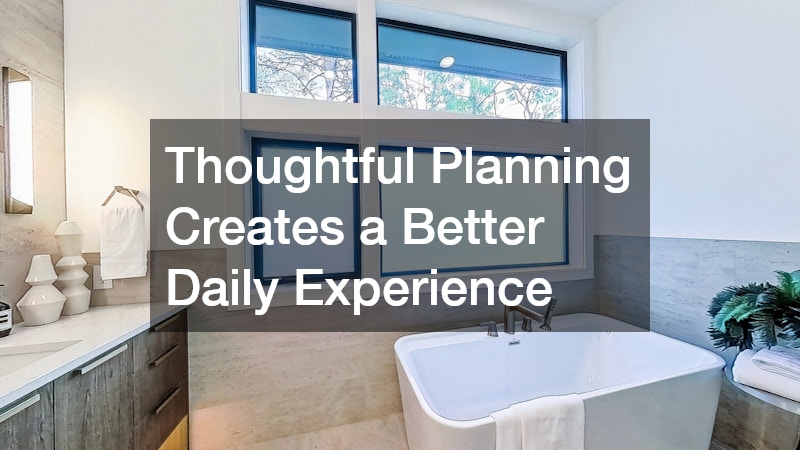
An efficient bathroom layout improves much more than appearance. It affects how comfortably people move through the space, how easily they stay organized, and how well the room functions during busy daily routines. Careful planning can transform even smaller bathrooms into spaces that feel open, practical, and comfortable.
The most successful layouts prioritize functionality from the beginning. Accurate measurements, smart fixture placement, organized storage, durable materials, proper lighting, and coordinated utility planning all work together to create a more efficient environment. Instead of focusing only on trends, homeowners should think about how the room will actually support everyday life.
By taking time to evaluate long-term needs and working with qualified professionals when necessary, homeowners can create bathrooms that remain practical, attractive, and comfortable for years to come. Thoughtful design decisions today can lead to a more enjoyable and stress-free experience every single day.