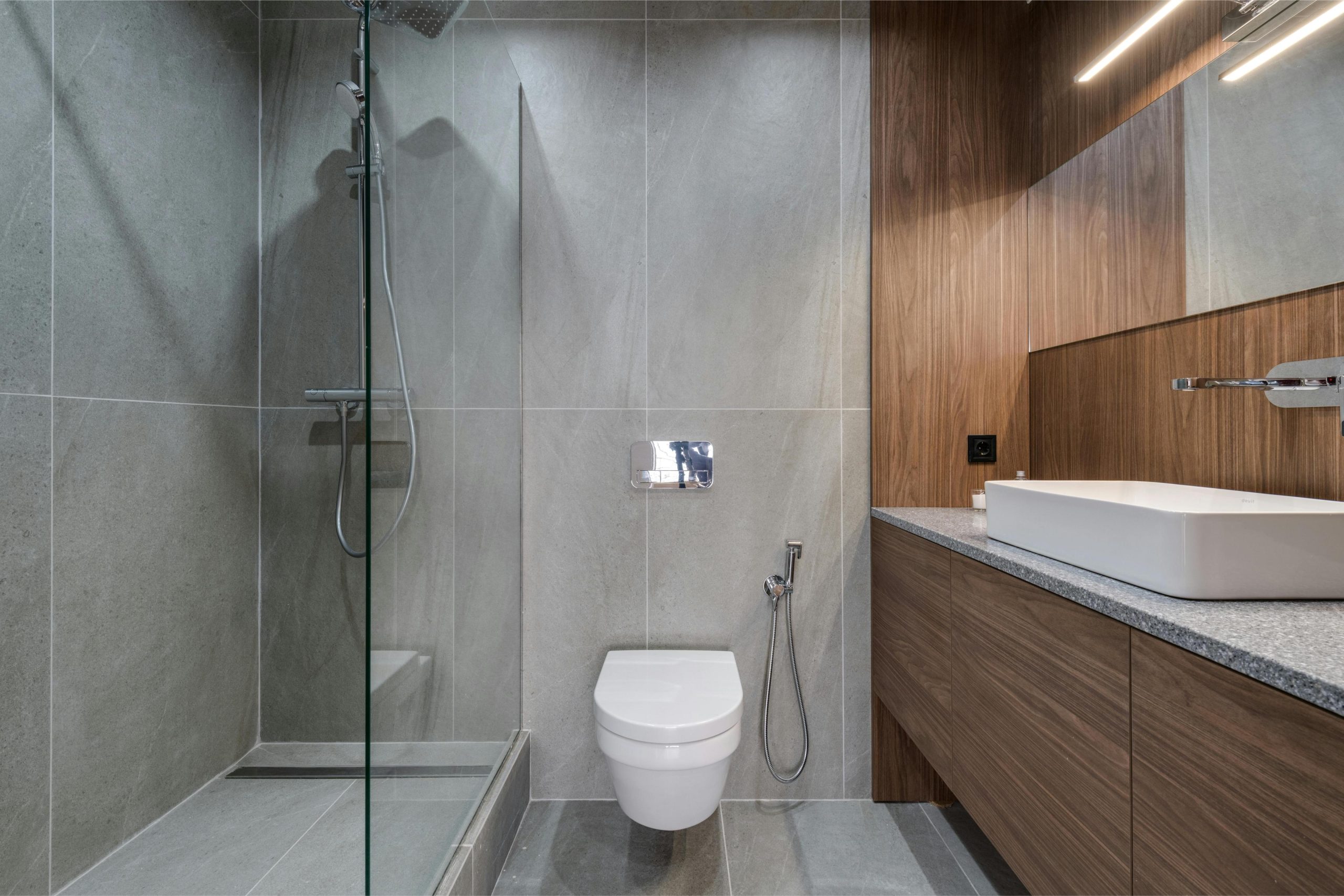
Budgeting Smart for a Full Bathroom Renovation
Introduction
Many homeowners begin a renovation focused on finishes — the tile they love, the vanity they saw online, the statement mirror. But the biggest costs are often hidden behind the walls and under the floors. Moisture damage, outdated plumbing, improper ventilation, and structural issues don’t reveal themselves until demolition starts. Without a financial cushion, these discoveries can force rushed decisions, downgraded materials, or incomplete work.
Costs also climb when upgrades are added mid-project. A simple fixture swap turns into moving plumbing lines. A new vanity requires electrical relocation. A tile change requires additional labor. Each small change affects multiple trades, and each trade adjustment carries additional time and cost. Without a clear financial roadmap, these incremental increases add up fast.
Another common budgeting pitfall is underestimating labor coordination. Bathroom remodels require sequencing:
- Demolition must happen before plumbing and electrical rough-ins
- Inspections must occur before insulation and drywall
- Waterproofing must be completed before tile installation
- Painting and finishing happen at the final stage
If timelines aren’t coordinated properly, you may end up paying for delays, rework, or extended project durations. Time is money in renovation projects, and inefficiency impacts your bottom line.
The key to staying on budget isn’t choosing the cheapest materials or cutting corners. In fact, low-cost decisions often create higher long-term expenses. Cheap waterproofing can lead to leaks. Poor ventilation can cause mold. Low-grade fixtures may fail prematurely. The smarter approach is strategic planning — knowing where to invest and where to simplify.
Smart budgeting means:
- Clearly defining the project scope before requesting estimates
- Separating wants from needs
- Allocating funds for unseen structural or moisture issues
- Understanding how labor and material costs interact
- Building in a contingency reserve
- Locking in decisions before work begins
When you understand where your money is going, you gain control over it. Instead of reacting to problems as they arise, you anticipate them. Instead of stretching your budget thin across cosmetic upgrades, you allocate funds toward durability, safety, and long-term performance.
A well-planned renovation also protects your home’s value. Bathrooms are high-impact spaces for resale. Buyers look for quality workmanship, proper ventilation, and lasting materials. A renovation done strategically not only improves daily comfort but also increases long-term return on investment.
This in-depth guide will walk you step by step through how to budget smartly for a full bathroom renovation. You’ll learn how to define your project scope clearly, evaluate estimates accurately, prevent costly surprises, coordinate trades efficiently, and build a financial buffer that keeps your project on track. With the right preparation and mindset, you can transform your bathroom without letting your budget get out of control.
1. Start With a Realistic Scope Before Requesting Quotes

Before you call anyone for estimates, define what you’re actually renovating. Many homeowners make the mistake of saying, “I want to redo my bathroom,” without deciding whether that means cosmetic updates or a full structural overhaul.
Start by answering these questions:
- Are you keeping the layout the same?
- Are plumbing fixtures staying in their current positions?
- Are you replacing everything down to the studs?
- Are you upgrading insulation or ventilation?
- Is there existing water damage?
If you’re moving walls, expanding square footage, or altering structure, you’ll likely need a construction contractor to oversee framing, permits, and code compliance. Structural changes can double your budget compared to a cosmetic refresh.
Even if you’re not changing the layout, consult a local plumber early in the planning phase. They can:
- Inspect for outdated supply lines or corroded drains
- Identify code upgrades required for new fixtures
- Flag pressure or drainage concerns
Catching plumbing issues before materials are ordered prevents costly rework.
Action Tip:
Create a written scope document listing every component you plan to replace or upgrade. Share this with every professional you contact so estimates are consistent and comparable.
2. Break Down Your Budget by Category (Not Just Total Cost)
A single total number isn’t a budget — it’s a guess. Smart renovation budgeting requires line items.
A typical full bathroom renovation budget breaks down like this:
- 40–60% Labor
- 15–25% Fixtures and plumbing
- 15–20% Materials (tile, flooring, paint)
- 5–10% Permits and inspections
- 15–20% Contingency
If you’re upgrading insulation for energy efficiency or moisture control, you may need a blown in insulation contractor. While insulation may not seem like a bathroom expense, it affects comfort and long-term performance.
Another significant line item could be upgrading to a tankless water heater. While the upfront cost is higher than traditional systems, long-term energy savings may justify the investment.
When budgeting:
- Use a spreadsheet with line items for every material and service
- Add tax, delivery fees, and disposal costs
- Include a contingency fund that you do not touch unless necessary
Action Tip:
Never spend your entire budget on visible finishes. Reserve at least 15% for hidden issues that may arise once demolition begins.
3. Prevent Expensive Water Damage Before It Starts
Bathrooms are moisture-heavy environments. One small leak behind a wall can lead to thousands of dollars in structural repairs.
If your home is older or you’ve noticed past leaks, invest in professional interior waterproofing services before closing up walls. Proper waterproofing protects framing, insulation, and subflooring.
Warning signs you may need local water damage repair before remodeling:
- Soft or spongy flooring
- Musty odors
- Peeling paint or bubbling drywall
- Stains on ceilings below the bathroom
Fixing water damage after tile installation is exponentially more expensive than addressing it upfront.
Budget allocation suggestion:
- Moisture inspection
- Waterproof membranes
- Proper shower pan installation
- Sealing penetrations and joints
Action Tip:
Waterproofing is not the place to cut costs. Allocate funds here before splurging on luxury finishes.
4. Make Smart Tile Choices That Balance Cost and Durability

Tile is often one of the most visible — and expensive — components of a bathroom renovation.
The cost of wall tile varies widely depending on:
- Material (ceramic vs. porcelain vs. natural stone)
- Size (larger tiles reduce grout lines but may increase labor)
- Layout pattern (herringbone and mosaics increase labor costs)
- Height coverage (half-wall vs. full ceiling coverage)
Ways to control tile costs:
- Use high-end tile only in focal areas
- Choose standard layout patterns
- Limit accent borders
- Avoid complex custom inlays
Labor can exceed material cost if patterns are intricate. Always request a detailed estimate separating material and installation.
Action Tip:
Select your tile early in the planning process to avoid rush shipping fees and change orders.
5. Decide Whether to Refinish, Paint, or Replace Cabinets
Cabinet replacement can quickly consume a large portion of your renovation budget. Before you replace them, consider whether refinishing or repainting is a viable option.
Hiring skilled cabinet painters can dramatically improve the appearance of existing cabinetry at a fraction of the cost of replacement.
If the bathroom connects visually to other spaces, coordinating with a local residential painter ensures color consistency and proper surface preparation.
Cost comparison overview:
- Full cabinet replacement: Highest cost
- Refacing: Mid-range
- Professional repainting: Most budget-friendly
Additional factors to budget for:
- New hardware
- Soft-close hinges
- Drawer slides
- Minor structural repairs
Action Tip:
If cabinet boxes are structurally sound, refinishing is often the smartest financial move.
6. Factor in Flooring Transitions and Adjacent Room Impacts
Flooring decisions don’t stop at the bathroom threshold. If your bathroom connects to hardwood flooring, you’ll need to plan carefully for:
- Height transitions
- Moisture barriers
- Expansion gaps
Blending new tile with existing hardwood flooring can increase labor costs if subfloor adjustments are required.
Before installation, inspect the subfloor for rot or warping — especially if previous leaks occurred.
Budget considerations:
- Demolition and disposal
- Subfloor repair
- Transition strips
- Underlayment
Action Tip:
Choose flooring materials that are durable in moisture-heavy environments, even if adjacent rooms use different finishes.
7. Compare Contractor Bids the Smart Way

Not all bids are created equal. The lowest price is not automatically the best value.
When reviewing proposals, ensure estimates clearly separate:
- Labor
- Materials
- Permits
- Cleanup
- Warranty
If plumbing work is included, speak directly with the local plumbing company involved. Ask:
- Are fixtures included in the estimate?
- What happens if pipes need replacement?
- Are permit fees included?
For larger projects, a construction contractor should provide:
- Timeline
- Payment schedule
- Change-order policy
- Proof of insurance
Action Tip:
Compare detailed line items, not totals. If one bid is significantly lower, ask what is excluded.
8. Plan for Energy Efficiency and Long-Term Savings
Bathroom renovations present an opportunity to improve your home’s energy performance.
Upgrading to a tankless water heater may increase upfront cost but reduce long-term utility expenses. It also saves space — an advantage in smaller bathrooms.
Improving insulation through a blown in insulation contractor can:
- Reduce condensation
- Improve comfort
- Lower heating costs
- Protect against moisture damage
Budgeting for efficiency upgrades often yields better ROI than purely cosmetic improvements.
Action Tip:
Research local rebates and incentives for energy-efficient upgrades before finalizing your budget.
9. Avoid Mid-Project Changes That Destroy Your Budget
Change orders are one of the fastest ways to exceed your budget.
Common mid-project mistakes include:
- Switching tile selections after installation begins
- Moving plumbing fixtures
- Adding new features not originally planned
- Changing paint colors late
If interior house painters are scheduled before you finalize color selections, you risk delays and added labor costs.
Similarly, rescheduling a local plumber because of indecision can increase service fees.
Prevent budget overruns by:
- Finalizing all materials before demolition
- Signing off on drawings and layout plans
- Avoiding “while we’re at it” upgrades
Action Tip:
Make every major decision before work begins. Changes cost more during construction than during planning.
10. Know Where to Splurge and Where to Save

Not every component deserves equal investment.
Smart splurge areas:
- Waterproofing systems
- Quality plumbing fixtures
- Ventilation systems
- Skilled labor
Strategic save areas:
- Decorative mirrors
- Hardware
- Basic light fixtures
- Standard paint finishes
Hiring experienced interior house painters ensures clean lines and proper moisture-resistant coatings. Investing in interior waterproofing services protects your structure long-term.
Action Tip:
Spend more on what you can’t see and can’t easily change later. Save on what you can upgrade in the future.
11. Create a Detailed Payment and Timeline Strategy
Understanding payment structures protects both your budget and your project timeline.
Typical payment schedules:
- Deposit (10–30%)
- Midpoint payment
- Final payment upon completion
Avoid paying large sums upfront without milestones attached.
Coordinate with your local plumbing company to ensure rough-in and fixture installation phases align with tile and flooring timelines.
If repairs are needed before remodeling, complete any local water damage repair before new materials are installed.
Action Tip:
Tie payments to completed work, not calendar dates.
12. Build a Contingency Plan for the Unexpected
Even with careful planning, surprises happen.
Common hidden issues:
- Mold behind drywall
- Outdated wiring
- Rotting subfloor
- Improper past renovations
A construction contractor can assess structural issues uncovered during demolition. Meanwhile, having a local plumber inspect aging pipes reduces the likelihood of surprise failures later.
Your contingency fund should cover:
- Structural repairs
- Plumbing upgrades
- Code compliance adjustments
- Schedule delays
Action Tip:
If your contingency fund remains unused, consider it a financial win — not extra spending money.
Conclusion
A successful bathroom renovation isn’t defined by how much you spend — it’s defined by how well you plan.
By defining your scope early, breaking your budget into clear categories, protecting against moisture damage, comparing contractor bids carefully, and building in a contingency fund, you dramatically reduce financial stress.
Smart budgeting isn’t about cutting corners. It’s about making informed decisions that protect your investment, your home, and your peace of mind.
With careful preparation and the right team, your full bathroom renovation can stay on track — and deliver lasting value for years to come.