Home design is no longer a static concept. A home today is expected to evolve alongside the people who live in it. It should support workdays and weekends, quiet mornings and loud celebrations, growth, change, and everything in between. The most successful homes are not defined by trends but by intention. They feel grounded, flexible, and personal. Designing a home is about storytelling. Every material choice, layout decision, and finishing detail contributes to how the home functions and how it feels. Whether you’re building, remodeling, or slowly refining your space over time, great design balances beauty with practicality and emotion with logic.
Modern homeowners are increasingly aware that their needs will shift over time. What works perfectly today may not serve the same purpose five or ten years down the road. Thoughtful design anticipates these changes. Flexible layouts, adaptable rooms, and timeless materials allow a home to grow without feeling outdated or restrictive. This approach encourages longevity rather than constant reinvention. Equally important is how a home reflects the personalities and values of those who live there. Design choices communicate lifestyle, priorities, and even aspirations. A well-designed home does not try to impress everyone; it resonates deeply with the people who call it home. When intention guides design decisions, the result is a space that feels comfortable, authentic, and enduring rather than temporary or trend-driven.
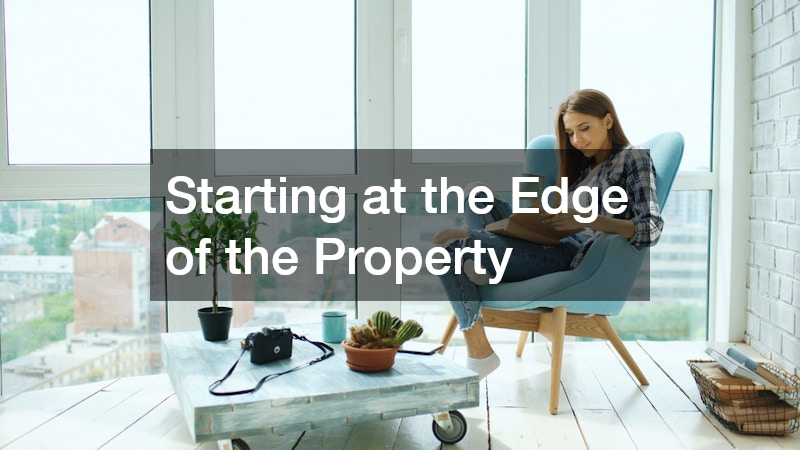
Starting at the Edge of the Property
A home does not begin at the front door. It begins where the property meets the street. The exterior environment shapes first impressions and influences how the home is experienced daily. From the moment someone approaches the property, the landscape, layout, and flow begin telling the home’s story.
Trees are often one of the most defining exterior elements. They provide shade, privacy, and a sense of maturity, but they can also become liabilities if left unmanaged. Strategic local tree removals allow homeowners to reshape outdoor space, improve safety, and enhance natural light without sacrificing the character of the landscape. Removing a single overgrown tree can completely change how a home feels from both inside and out. It can open sightlines, protect structures, and make outdoor spaces more usable and inviting.
Hardscaping is just as important. Driveways, walkways, and patios create structure and flow. Cracked or poorly designed paving can detract from an otherwise beautiful property. Working with a professional paving company ensures that surfaces are not only attractive but also durable, well-drained, and aligned with the home’s architectural style. Clean lines and thoughtful layouts create a sense of arrival that feels intentional rather than accidental. Together, landscaping and hardscaping establish balance and set the tone for the entire home experience.
Outdoor Living as an Extension of the Home
Outdoor spaces have become essential living areas. Patios are no longer just for summer weekends. They are outdoor dining rooms, workspaces, and places to decompress. Homeowners increasingly expect their outdoor environments to offer the same comfort and versatility as their interior spaces.
One of the biggest challenges in outdoor design is adaptability. Homeowners want fresh air without bugs, shade without darkness, and openness without exposure. A thoughtfully integrated retractable screen offers that balance. These systems allow outdoor spaces to transform instantly, making patios usable during more seasons and in more conditions. When retracted, they disappear. When deployed, they provide comfort without compromising the view. This flexibility allows outdoor spaces to respond to changing weather, privacy needs, and daily routines with ease.
Water management is another critical piece of outdoor design. Healthy landscaping requires consistency, especially in larger yards or properties with gardens. Many homeowners rely on professional-grade farm irrigation supplies to maintain efficient, reliable watering systems. These solutions help conserve water while ensuring plants thrive, blending sustainability with performance. When outdoor systems are designed with intention, they reduce maintenance demands and enhance long-term enjoyment, turning outdoor areas into true extensions of the home rather than seasonal afterthoughts.
The Interior: Designing for Daily Life
Inside the home, design decisions shape daily experience. Layout influences movement. Lighting affects mood. Materials impact comfort and sound. These elements work together quietly, but their combined effect determines whether a home feels calm or chaotic, energizing or draining.
Open-concept living remains popular, but successful open spaces still require structure. Thoughtful zoning helps define purpose without closing off rooms. Furniture placement, ceiling treatments, and subtle changes in flooring can signal transitions from one function to another. Flooring is one of the most powerful tools for this. Beyond material choice, visual cues can guide how a space is used. Creative floor graphics are increasingly used in home gyms, studios, playrooms, and multipurpose areas to subtly define zones, encourage movement, or add personality without permanent construction. They provide flexibility while keeping spaces visually engaging.
Interior design today also considers how homes support learning and development. Families are drawing inspiration from thoughtfully designed educational environments like odyssey preschool, where layout, color, and sensory balance promote focus and creativity. These principles translate beautifully into children’s bedrooms, study areas, and creative corners at home. Soft lighting, defined activity zones, and calming color palettes help children concentrate while still encouraging imagination. When interiors are designed to support daily rhythms, the home becomes easier to live in and more emotionally supportive for everyone.
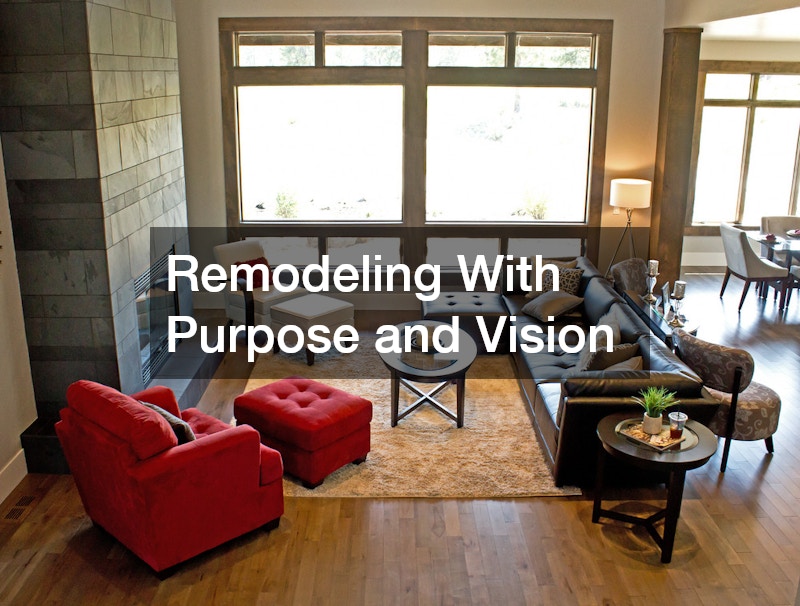
Remodeling With Purpose and Vision
Remodeling is one of the most impactful ways to evolve a home. The key is intention. The best projects are driven by how homeowners want to live, not just how they want things to look. A successful remodel solves real problems while enhancing comfort and flow.
Professional home remodeling allows homeowners to reimagine kitchens, bathrooms, and living spaces with long-term usability in mind. Remodeling can improve traffic flow, increase storage, enhance natural light, and eliminate daily frustrations. For many homeowners, small layout changes make the biggest difference, such as widening walkways, opening sightlines, or improving connections between rooms. When done well, remodeling creates a home that feels more intuitive and more aligned with current needs.
Modern remodels often integrate technology seamlessly. Smart lighting, efficient climate control, and upgraded layouts support comfort while also increasing property value. However, the most effective remodels treat technology as a supporting element rather than the centerpiece. The goal is not to overwhelm a space with gadgets, but to use technology quietly and effectively so it enhances daily life without demanding attention. When form and function work together, remodeling becomes an investment in how the home feels, not just how it looks.
Technology as a Design Element
Technology is now a fundamental part of home design. Smart homes rely on connectivity for everything from security cameras to thermostats and entertainment systems. As a result, technology must be considered from the earliest design stages rather than added later as an afterthought.
As homes become more connected, cybersecurity becomes essential. Protecting networks ensures that smart systems enhance life rather than introduce risk. From remote work setups to smart locks and monitoring systems, secure digital infrastructure is now just as important as physical locks and alarms. Homeowners increasingly recognize that privacy and protection are part of modern comfort.
Behind the walls, physical protection matters too. Advanced systems depend on reliable wiring and stable connections. High-quality fiber optic seals help protect sensitive connections from moisture, dust, and environmental damage. These components may be invisible, but they are critical to long-term performance and reliability. When technology is thoughtfully integrated and properly protected, it fades into the background, allowing the home to function smoothly while remaining visually clean and uncluttered.
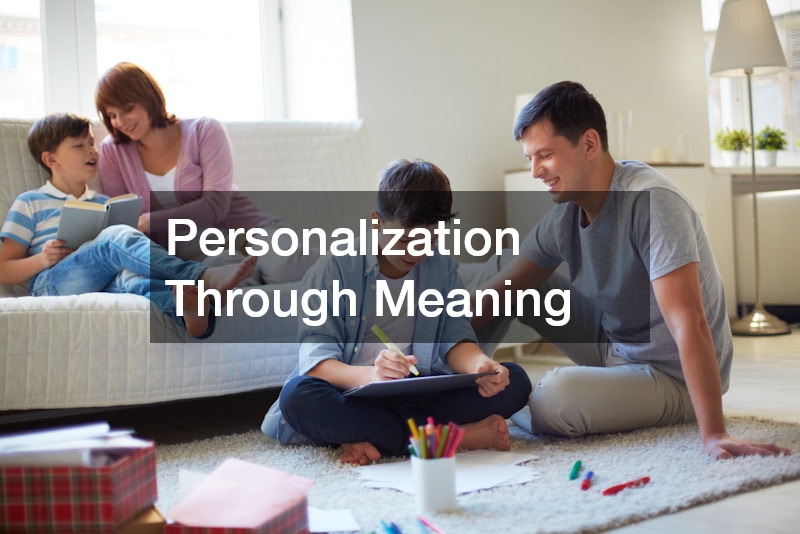
Personalization Through Meaning
A home should reflect its owners. Personal collections, heirlooms, and passions give a space authenticity. These elements turn a house into a lived-in, meaningful environment rather than a staged setting that feels temporary or impersonal. When people walk into a home that reflects its owners, they sense it immediately. There is warmth, history, and intention embedded in the space.
Personalization often begins with the items that carry stories. Family photographs, inherited furniture, travel souvenirs, and collected artwork all contribute layers of meaning. The key is not how many items are displayed, but how thoughtfully they are integrated. When personal pieces are curated rather than scattered, they elevate the design instead of competing with it. A single well-placed object can anchor a room emotionally just as much as a statement piece of furniture anchors it visually.
Many homeowners design custom display areas for valuable collections. Built-in shelving, glass-front cabinetry, and niche lighting allow collections to feel intentional and protected. Working with knowledgeable coin buyers allows collectors to understand the worth of their items and make informed decisions about display or preservation. Knowing which pieces should be showcased and which should be stored safely helps homeowners strike a balance between enjoyment and protection. When thoughtfully integrated, collections become design elements that tell a story rather than clutter a space.
Personalization is not about excess. It is about intention. A home filled with meaning does not overwhelm the senses. Instead, it offers moments of recognition and connection. A carefully chosen object on a shelf, a framed note from a loved one, or a piece of art tied to a memory can quietly shape how a space feels. These details create emotional touchpoints throughout the home, reminding occupants of who they are, where they have been, and what matters most to them.
True personalization also allows a home to evolve. As interests change and new experiences are added, the home adapts organically. Display areas shift, collections grow or refine, and rooms take on new roles. This evolution keeps a home feeling alive rather than fixed in a single moment in time.
Designing for Longevity and Sustainability
Great design considers the future. Durable materials, efficient systems, and flexible layouts reduce the need for frequent updates and allow a home to perform well over time. Longevity is not only about how long materials last, but about how long a space continues to feel relevant and comfortable.
Choosing quality materials upfront often reduces maintenance and replacement costs down the line. Floors that withstand wear, finishes that age gracefully, and fixtures designed for longevity help homeowners avoid constant repairs or updates. These choices support sustainability by reducing waste and conserving resources while also making daily life easier.
Outdoor choices like efficient irrigation, resilient paving, and strategic tree management minimize maintenance over time. Thoughtfully planned landscapes require less intervention while remaining visually appealing year after year. Inside, adaptable rooms and timeless finishes allow a home to grow with changing lifestyles. A room designed to serve multiple purposes can shift roles as needs change, reducing the pressure to remodel frequently.
Sustainability also includes emotional sustainability. Homes designed with balance and simplicity remain enjoyable long after trends fade. Spaces that feel calm, uncluttered, and intuitive are easier to maintain and more pleasant to live in over the long term. When a home supports routines instead of fighting them, it becomes a place of stability rather than stress.
Designing for longevity also means considering future accessibility and usability. Wider pathways, thoughtful lighting, and flexible layouts ensure that the home remains functional across different life stages. These considerations are often invisible in daily use, but they quietly support comfort and independence over time.
The Emotional Impact of Thoughtful Design
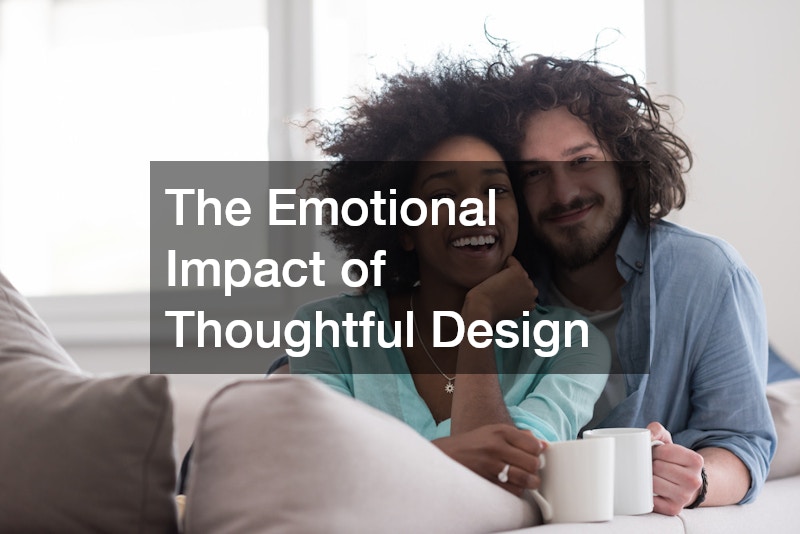
Design influences how people feel every day. Natural light boosts mood. Clear circulation reduces stress. Access to outdoor spaces promotes calm. These effects may be subtle, but they accumulate over time, shaping daily experiences in powerful ways.
A well-designed home supports emotional well-being by reducing friction. When spaces flow naturally, daily tasks feel easier. When storage is intuitive, clutter is minimized. When lighting adjusts to different needs throughout the day, the home feels responsive rather than rigid. These small details create a sense of ease that residents often notice only when it is missing.
Children benefit from environments that encourage curiosity and focus. Defined play areas, calm color palettes, and predictable layouts help them feel secure while still allowing creativity to flourish. Adults benefit from spaces that support both productivity and rest. Dedicated work zones, quiet retreats, and shared gathering spaces allow different needs to coexist without conflict.
Guests feel welcome when a home flows naturally and comfortably. Clear sightlines, inviting seating arrangements, and thoughtful transitions between spaces make visitors feel at ease. A home that functions well does not require explanation. It guides people intuitively, creating comfort through design rather than instruction.
Good design does not announce itself. It supports life quietly and consistently. Over time, this quiet support builds a strong emotional connection between people and their home. It becomes a place associated with comfort, safety, and belonging.
Bringing It All Together
True home design is holistic. It considers the exterior and interior as a unified experience. From landscaping and paving to smart systems and personal details, every choice contributes to a cohesive whole. When these elements are designed in isolation, a home can feel disjointed. When they are aligned, the home feels intentional and complete.
Holistic design recognizes that function, aesthetics, and emotion are deeply connected. A practical decision can also be beautiful. A personal detail can also enhance flow. Technology can improve comfort without dominating attention. When these elements work together, the home supports daily life effortlessly.
When design is intentional, the result is a home that adapts, protects, and inspires. It supports daily routines, embraces change, and reflects the people who live within it. Rather than forcing occupants to adapt to the space, the space adapts to them.
A well-designed home is not just a place to live. It is a foundation for life. It holds memories, supports growth, and provides a sense of continuity through change. Over time, it becomes more than a structure. It becomes part of the story of the people who call it home.