Introduction
Creating a home that is both functional and visually appealing is a goal for many homeowners. In 2026, the focus on thoughtful design, smart planning, and efficient execution has become more important than ever. Homeowners now prioritize spaces that accommodate modern lifestyles, from outdoor entertainment areas to streamlined interiors. Well-planned improvements can enhance your comfort, increase your property value, and simplify maintenance over the long term.
This guide will explore practical strategies to improve both outdoor and indoor living spaces. You’ll learn how to integrate professional services, choose high-quality materials, and implement designs that stand the test of time. By approaching upgrades strategically, you can avoid costly mistakes and achieve results that are both beautiful and functional.
Whether you are considering small updates or large-scale renovations, understanding the steps involved, the professionals to hire, and the planning required is key to success. This article covers everything from outdoor living enhancements to kitchen upgrades, interior painting, and custom storage solutions, providing actionable tips for each area of your home.
Start with a Clear Vision and Realistic Budget

Before tackling any improvement project, defining a clear vision is essential. Your goals should reflect your lifestyle needs and long-term priorities. Start by asking yourself how you use your space, what elements matter most, and which areas of your home have the highest potential for impact.
Once goals are established, creating a realistic budget helps ensure you don’t overspend. Consider not just the cost of materials and labor, but also ongoing maintenance and potential upgrades over time. A prioritized list helps distinguish between must-have projects and nice-to-have additions.
Professional services can simplify planning:
- Remodeling services can provide insights on layout optimization, cost-effective material selection, and phasing multiple projects efficiently.
- A landscaping company can help visualize outdoor spaces and ensure your vision aligns with practical considerations like drainage, sun exposure, and plant health.
Budgeting tips include:
- Allocate funds for unexpected expenses (typically 10–15% of your total budget).
- Research costs for similar projects in your area to set realistic expectations.
- Decide whether to phase improvements over time or complete multiple projects at once.
A clear vision combined with a detailed budget creates a foundation for successful home improvements and helps prevent costly missteps.
Design an Outdoor Space That Matches Your Lifestyle
Outdoor areas are no longer just functional—they are extensions of your living space. Determining how you want to use your backyard or patio is the first step in creating a cohesive design. Whether you prioritize entertaining guests, relaxing with family, or cultivating a garden, your layout should support these activities.
A patio builder can design outdoor living spaces that are both durable and comfortable. They can suggest layouts, materials, and finishes that balance aesthetics with long-term usability. Similarly, a hardscaping company can add structure and visual appeal with features like retaining walls, pathways, fire pits, or seating areas.
Consider these tips for designing an outdoor space:
- Assess sun and shade patterns to position seating and plantings optimally.
- Create zones for dining, lounging, and recreation to improve flow.
- Use durable materials for high-traffic areas to minimize wear and maintenance.
- Incorporate lighting and irrigation systems for convenience and longevity.
Working with professionals ensures that the outdoor design not only looks beautiful but also functions well for your daily needs.
Add Water Features and Elevate Backyard Luxury

Water features, particularly pools, can transform a backyard into a luxurious retreat. Before adding a pool, consider your intended use, available space, and long-term maintenance requirements. Consulting with inground pool companies can help you determine the best type of pool, materials, and equipment for your property.
Pools require careful planning to ensure safety and efficiency:
- Assess the layout for optimal sun exposure and integration with existing landscaping.
- Plan for fencing, lighting, and pool covers to ensure safety and convenience.
- Account for maintenance costs including chemicals, cleaning, and seasonal adjustments.
Beyond pools, small water features like fountains or ponds can enhance visual interest and create a relaxing atmosphere. Positioning these elements near seating or entertainment areas allows homeowners to enjoy both the aesthetic and auditory benefits of flowing water.
Incorporating water features into your backyard requires careful coordination with other improvements, such as patios, walkways, and plantings, to ensure a seamless and functional design.
Maintain a Healthy and Attractive Landscape Year-Round
A well-maintained landscape protects your investment and improves your property’s curb appeal. Regular care prevents damage to structures, trees, and plantings, while keeping outdoor areas enjoyable for everyday use.
Tree trimming services help maintain safe growth and prevent damage from overhanging branches or storm conditions. Proper pruning encourages healthy trees and improves sunlight and airflow to surrounding plants. Mulch is another essential tool for maintaining plant health, conserving moisture, suppressing weeds, and improving soil quality.
Seasonal landscaping tips include:
- Inspecting trees and shrubs regularly for disease, pests, or structural issues.
- Applying mulch in spring and fall to protect roots and retain moisture.
- Adjusting irrigation systems to match seasonal rainfall and temperature changes.
- Removing debris to prevent damage to lawns, patios, and pathways.
A landscaping company can provide ongoing maintenance plans tailored to your property’s unique needs, ensuring that your outdoor areas remain attractive and safe year-round.
Upgrade Kitchens with Smart Layout and Durable Materials
Kitchens are often the most used rooms in a home, making them ideal for upgrades that improve functionality and aesthetics. Efficient layouts and durable surfaces make cooking, cleaning, and entertaining easier, while thoughtful design can enhance workflow and reduce clutter. In addition to practicality, a well-designed kitchen increases your home’s resale value and creates a welcoming space for family and guests.
Countertop installation is one of the most impactful upgrades in a kitchen remodel. Selecting materials such as granite, quartz, or solid surface counters ensures durability and a long-lasting appearance. Each material offers unique benefits: granite is heat resistant and visually striking, quartz is low maintenance and resistant to stains, and solid surfaces allow seamless integration with sinks and backsplashes. When choosing countertops, it’s important to consider daily use, maintenance expectations, and style compatibility with cabinets and flooring.
Custom cabinets provide tailored storage solutions that maximize space and enhance organization. Features such as pull-out shelves, soft-close drawers, built-in spice racks, and adjustable shelving add convenience and improve accessibility. A well-planned cabinet layout can reduce countertop clutter, making the kitchen more functional. When integrating custom cabinets with countertops, ensure proper alignment and consider hardware finishes that complement the overall design.
Key kitchen renovation tips include:
- Assessing your workflow to optimize placement of appliances, prep areas, and storage zones.
- Prioritizing high-quality materials in high-use areas to reduce long-term wear.
- Coordinating cabinet, countertop, and flooring colors to create a cohesive and appealing aesthetic.
- Consulting remodeling services for structural changes, plumbing adjustments, or complex installations to avoid costly mistakes.
- Adding energy-efficient lighting under cabinets and in work areas to improve usability.
- Incorporating multi-functional islands or breakfast bars to expand prep and seating options.
Investing in these core elements not only improves daily usability but also significantly increases your home’s overall value, creating a functional and stylish hub for family life.
Transform Interiors with Simple Yet Impactful Updates
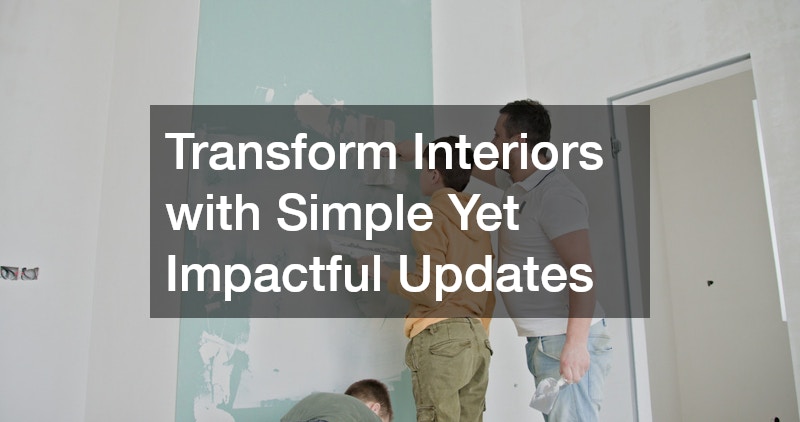
Interior upgrades can refresh a space without the need for major renovations, and even small updates can dramatically alter the feel of a room. Painting is one of the most cost-effective ways to change a home’s atmosphere and perceived size, giving rooms a fresh, modern look. Hiring an interior painting company ensures smooth, even coverage, proper surface preparation, and professional finishing, which prevents peeling, streaks, and uneven coats.
Other impactful updates include:
- Updating hardware, fixtures, and lighting for a modern, cohesive look that complements furniture and décor.
- Selecting paint colors that complement natural light, flooring, and furnishings to enhance the visual flow of each room.
- Incorporating accent walls, textured paints, or wallpaper to highlight architectural features or create focal points.
- Combining painting with small projects like trim updates, door refinishing, or backsplash installations for a polished, comprehensive improvement.
- Installing energy-efficient LED lighting or dimmers to adjust ambiance and reduce utility costs.
Furniture and décor placement can also influence the perception of space. Rearranging existing furniture or adding storage solutions can improve functionality without additional construction. Additionally, upgrading window treatments, rugs, and lighting fixtures can enhance the overall feel and comfort of a room.
Well-executed interior updates modernize spaces, improve livability, and increase property appeal. When paired with structural or outdoor improvements, these changes create a consistent aesthetic that carries throughout your home.
Maximize Functionality with Whole-Home Renovation Strategies
Larger projects, like whole-home renovations, allow homeowners to address structural and functional issues while enhancing aesthetics. Whole-home planning ensures each room supports your lifestyle, and that upgrades integrate seamlessly rather than appearing piecemeal.
Remodeling services can provide expertise in:
- Coordinating multiple projects simultaneously to reduce disruption and maximize efficiency.
- Ensuring compliance with building codes, permits, and safety standards to avoid legal or structural issues.
- Selecting durable and complementary materials to enhance both performance and visual cohesion.
- Planning phased approaches to allow parts of the home to remain functional while work is underway.
- Integrating storage solutions, lighting upgrades, and energy-efficient systems to improve utility and convenience.
Avoiding common mistakes—like overlooking workflow, storage, lighting, or structural adjustments—ensures renovations add both usability and value. A cohesive plan considers how each area of the home interacts with others, balancing aesthetics with practicality.
Additional strategies for a successful whole-home renovation include:
- Creating a detailed timeline and checklist for each project stage.
- Consulting professionals for specialty areas like electrical, plumbing, or HVAC modifications.
- Budgeting not just for construction but for finishing touches like hardware, trim, and décor.
- Considering future adaptability to accommodate lifestyle changes, such as family growth or remote work spaces.
By addressing both practical and aesthetic considerations, homeowners can maximize the impact of their investments and enjoy a functional, stylish environment.
Combine Outdoor and Indoor Improvements for Cohesive Design
Creating a harmonious relationship between indoor and outdoor spaces enhances comfort, usability, and home value. Matching materials, colors, and textures between patios, landscaping, and interiors strengthens visual continuity and creates a sense of flow.
Tips for integrating improvements include:
- Coordinating a patio builder and landscaping company to ensure outdoor structures complement interior design.
- Using transition areas like sliding doors, covered patios, or deck access points to connect indoor and outdoor living spaces.
- Incorporating consistent color palettes, textures, and design motifs across rooms and outdoor areas.
- Planning lighting, furniture placement, and decorative elements to maintain a seamless flow.
- Including functional elements like outdoor kitchens, seating areas, or fire pits that tie into the home’s interior style.
- Adding hardscaping or pathways that align visually and functionally with interior access points.
Thoughtful integration ensures that improvements feel intentional and cohesive, enhancing both aesthetic appeal and practical functionality. Consistent design choices create a home environment that feels unified, comfortable, and tailored to your lifestyle.
Create a Maintenance Plan to Protect Your Investment

Even after completing major improvements, maintaining your home ensures long-term performance, appearance, and value. A proactive maintenance plan preserves both indoor and outdoor features and prevents expensive repairs over time.
Key maintenance tips include:
- Scheduling seasonal tree trimming services to maintain safety and the health of surrounding plants.
- Conducting regular inspections of hardscaping, patios, and exterior structures to detect cracks or damage early.
- Reapplying mulch annually to conserve moisture, protect soil, and prevent weeds.
- Cleaning, sealing, and maintaining countertops and cabinets to extend their life and preserve aesthetic appeal.
- Monitoring paint conditions and performing touch-ups as needed to maintain a polished interior.
- Keeping landscaping, drainage, and irrigation systems in optimal condition to prevent erosion or water damage.
A comprehensive, structured maintenance plan emphasizes preventive care, helping you enjoy your home improvements for years without major interruptions. Scheduling professional services as needed ensures ongoing safety, performance, and aesthetics, protecting both your investment and your quality of life.
Conclusion
Home improvement doesn’t have to be overwhelming. By planning strategically, setting a realistic budget, and integrating professional services, you can transform your living spaces both inside and out. Combining outdoor enhancements with indoor upgrades creates a cohesive, functional, and aesthetically pleasing environment.
Maintaining these spaces ensures that investments retain value and remain enjoyable over time. Whether you focus on landscaping, remodeling, or custom interior features, thoughtful planning and execution deliver long-term benefits for comfort, style, and property value. With the right approach, you can achieve a home that supports your lifestyle while remaining resilient and visually appealing.